Here’s what it’s really like, neighbourhood by neighbourhood, hour by hour.
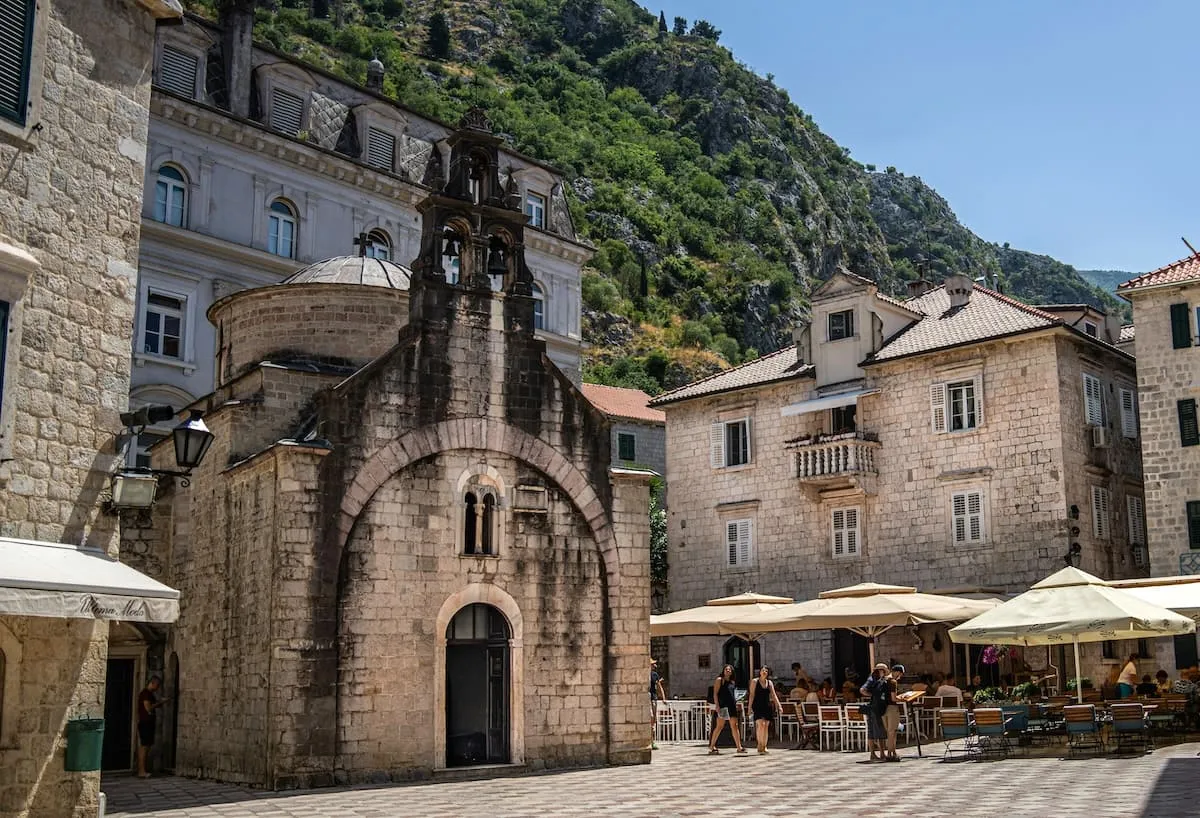
The Old Town: ditch the map
Enter through the Sea Gate. It’s been the main entrance since the 16th century, designed by the Venetians for those arriving by water. It still works a treat for people arriving on foot.
Once inside, forget the itinerary for five minutes. The old town is small and labyrinthine, that’s precisely what makes it so interesting. The cobbled alleyways branch off without warning, opening onto tiny squares you hadn’t planned to visit, passing under arches that nobody photographs because everyone’s busy taking pictures of the cats.
The cats, incidentally. They have been part of Kotor’s identity for centuries, a legacy of the sailors who took them on board to hunt rats. There is a cat museum and a dedicated park in the town. It’s charming, unapologetic, and the animals wander about as if they own the place, which, in a way, they do.
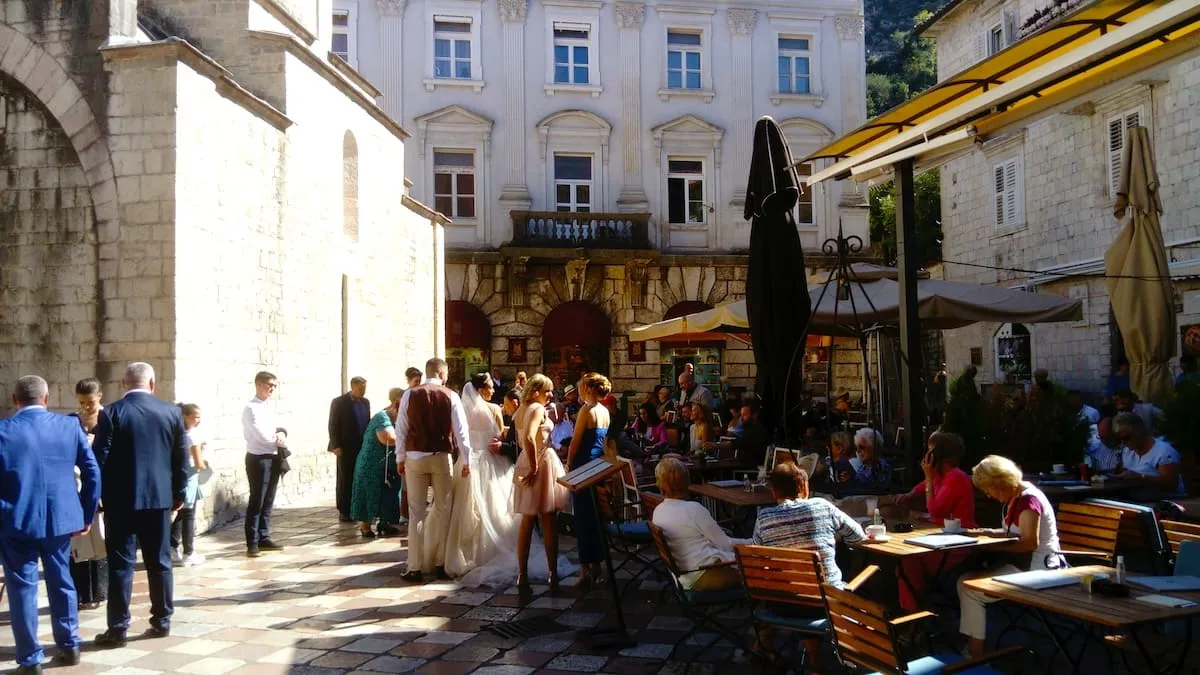
Life gets underway in the Arms Square (Trg od Oružja). The terraces fill up early, and cruise ships disgorge their passengers before 10am in summer, it’s something to bear in mind when choosing the best time to visit.
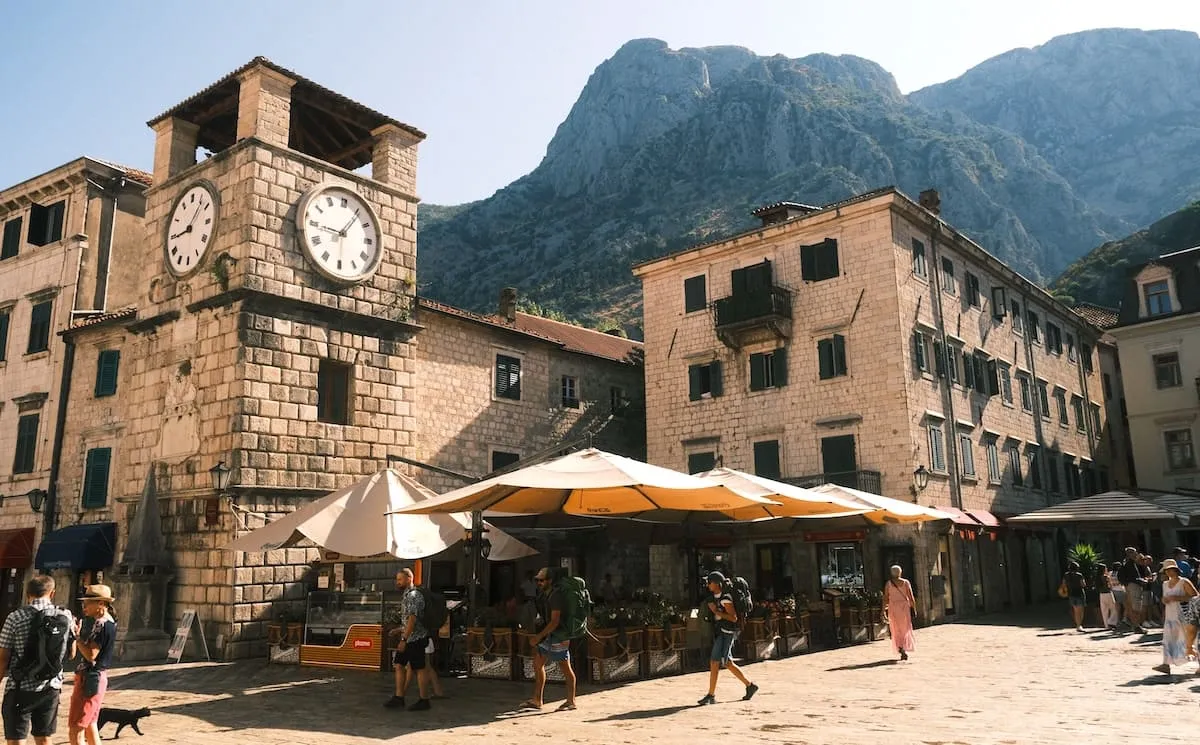
St Tryphon’s Cathedral is well worth a visit. Its Romanesque façade tells a story that few guides really explain: Kotor was long a city of independent sailors, not just a stopover on the route to Venice.
As for museums: the Kotor Maritime Museum is more fascinating than it looks. The Boka Seamen’s Guild, the Bokeljska Mornarica, was one of the most respected in the Mediterranean. An hour well spent.
St John’s Fortress: set off early
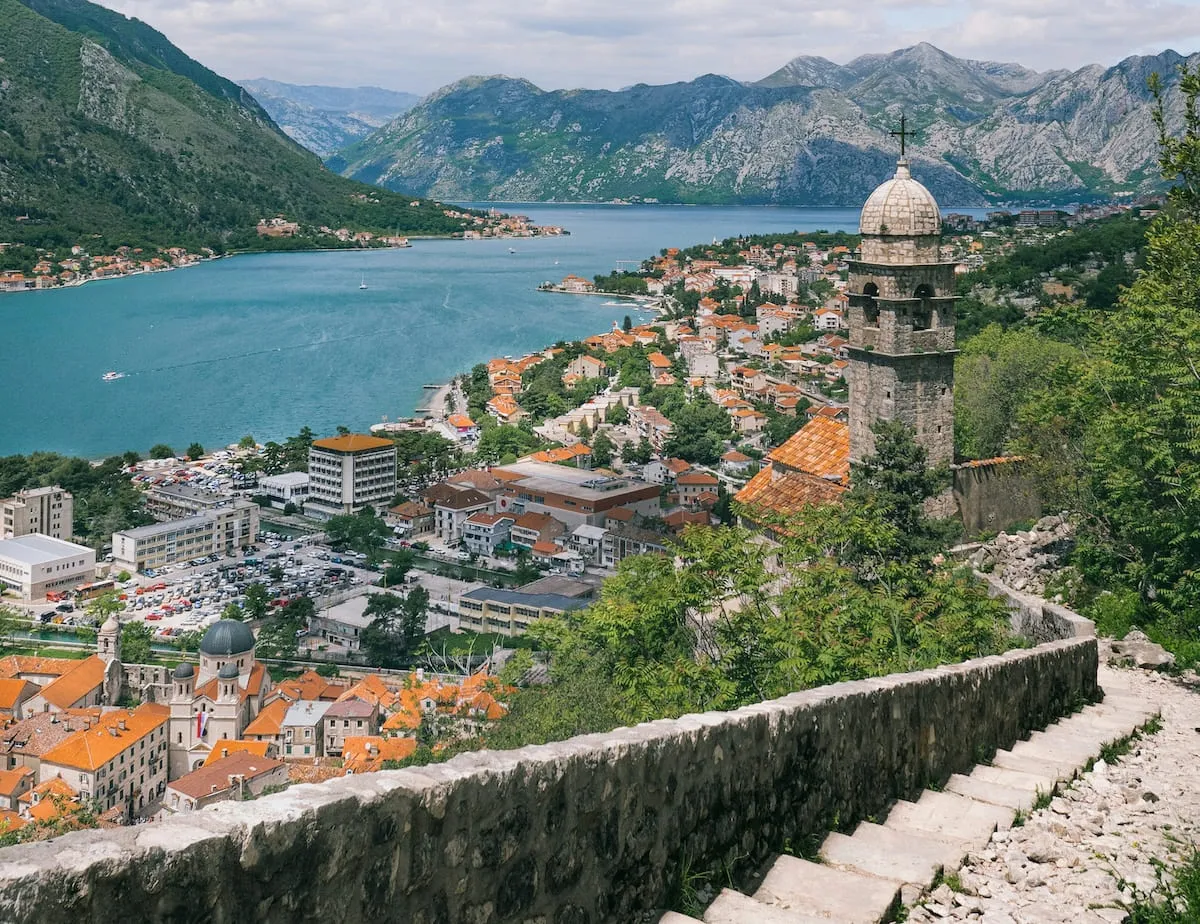
Around 1,350 steps clinging to the mountainside above the old town. The climb to San Giovanni Fortress is strenuous and direct, and the view of the bay from the top is one of those things that leaves you speechless.
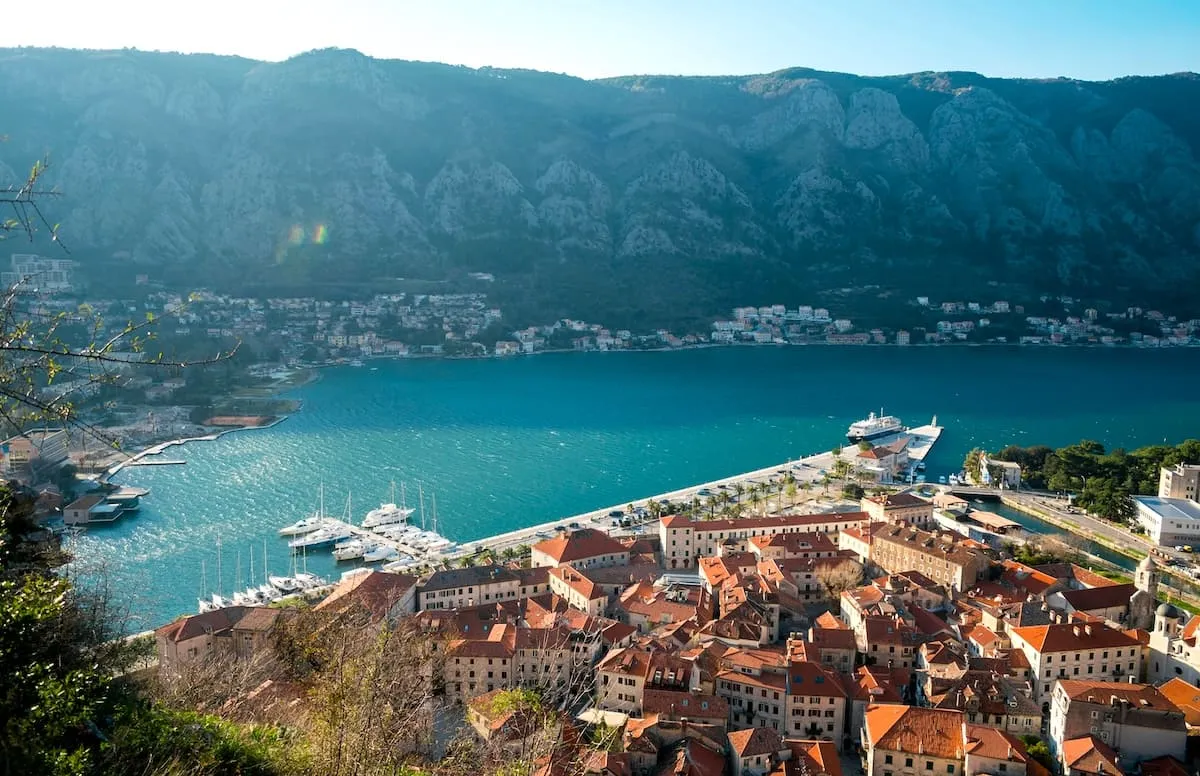
Set off before 8am if you can. The light is different, the heat is absent, and you’ll mainly come across locals rather than groups in flip-flops. At midday in the height of summer, it’s a different story.
Practical information: there’s an alternative route that avoids the usual €15 entrance fee. It’s less well signposted and a bit longer. Ask in the local shops, the locals will show you the way without hesitation.
The Bay: take a boat
Boka Kotorska isn’t a fjord, even though everyone calls it that. It’s a ria, a river valley flooded by the sea. The distinction is geological, but the visual effect is striking: a body of water nestled between green mountains that plunge straight into the sea.
From Kotor, several excursions are well worth the trip.
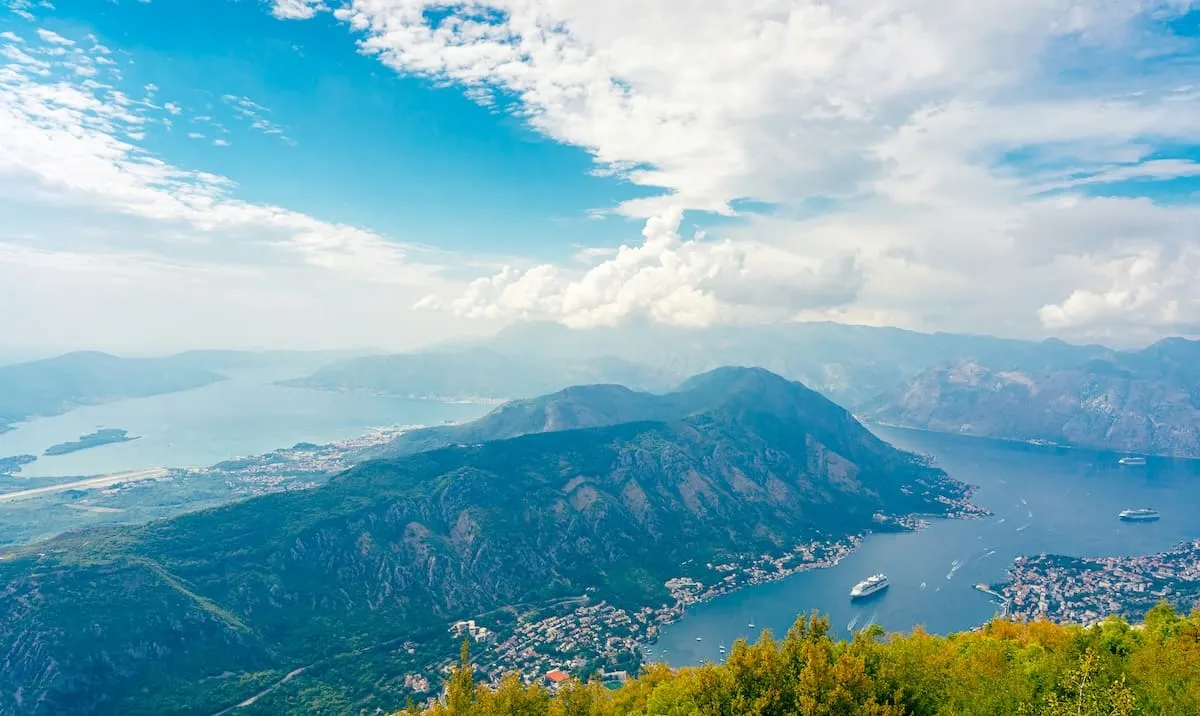
Our Lady of the Rocks is an artificial island built stone by stone by sailors from the 15th century onwards, out of superstition, gratitude and habit. There is a church on it, votive paintings, and a slightly crazy story that the guide tells better than any text. The town of Perast, just opposite, is baroque, immaculate, and almost deserted out of season. Stop there after visiting the island.
The Blue Grotto is well worth a visit; the waters take on a neon hue that seems unreal, especially mid-morning when the light streams in. And if you’re interested in the Cold War, some boats pass by the Yugoslav submarine tunnels, carved directly into the rock of the bay. Still there, still impressive.
For options: a private speedboat if you want to go fast and choose your own stops, a shared cruise if you’d rather not organise anything yourself, or a kayak if you want to explore the bay at your own pace. Kayaking first thing in the morning, when the water is calm and the light is low, is an experience like no other.
What not to miss in the surrounding area
The Ladder of Kotor: an ancient mountain path that winds its way up above the old town. Less crowded than the climb to the fortress, with different views at every turn. Make sure you wear sturdy shoes.
Skurda Canyon: to the north of the town, amidst waterfalls and dense vegetation. Less than an hour’s hike to see something completely different from the bay.
The coastal path and Kotor beach: a walk along the bay from the town. Not the largest beaches in Montenegro, but perfect for a breather after a busy morning.
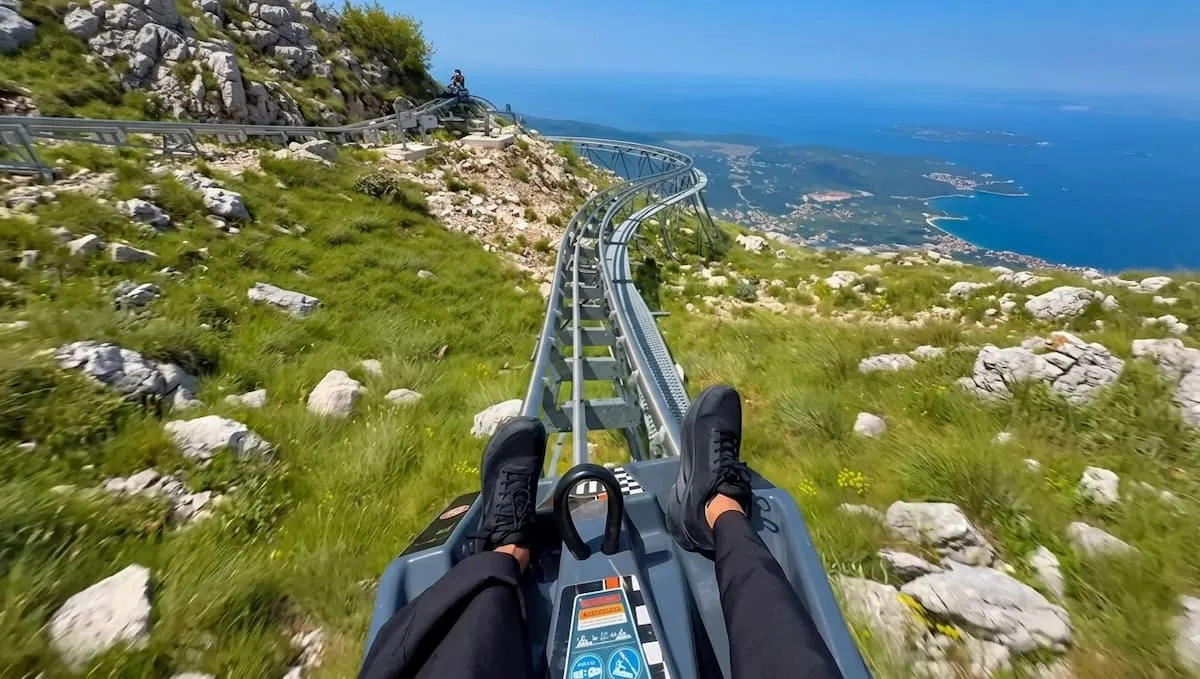
The cable car and mountain coaster (Kotor Alpine Coaster): to see the bay from above without having to climb on foot, with the added bonus of a mountain coaster that appeals to adults and children alike.
Local cheeses: stop by the market (the pijaca) or at Goats de Kotor. The local sheep’s cheese, with honey and a glass of rakija, is well worth taking a moment to sit down and enjoy.
And for those curious about unusual details: the stadium of FK Bokelj, the local football club, is tucked away in the old town in such an unlikely spot that it’s worth a look for that alone.
A matter of season
Kotor changes dramatically depending on the time of year. In July and August, the town is beautiful but packed, cruise ships arrive by the dozen every morning, and the narrow streets are full before 10am. It’s still beautiful, but it’s a different town.
In spring and autumn, prices drop, the terraces are all yours, and you get a glimpse of everyday life.
In winter, the Boka Bay is shrouded in mist in the morning, the locals reclaim their spaces, and Kotor becomes a normal town again, not just a backdrop.