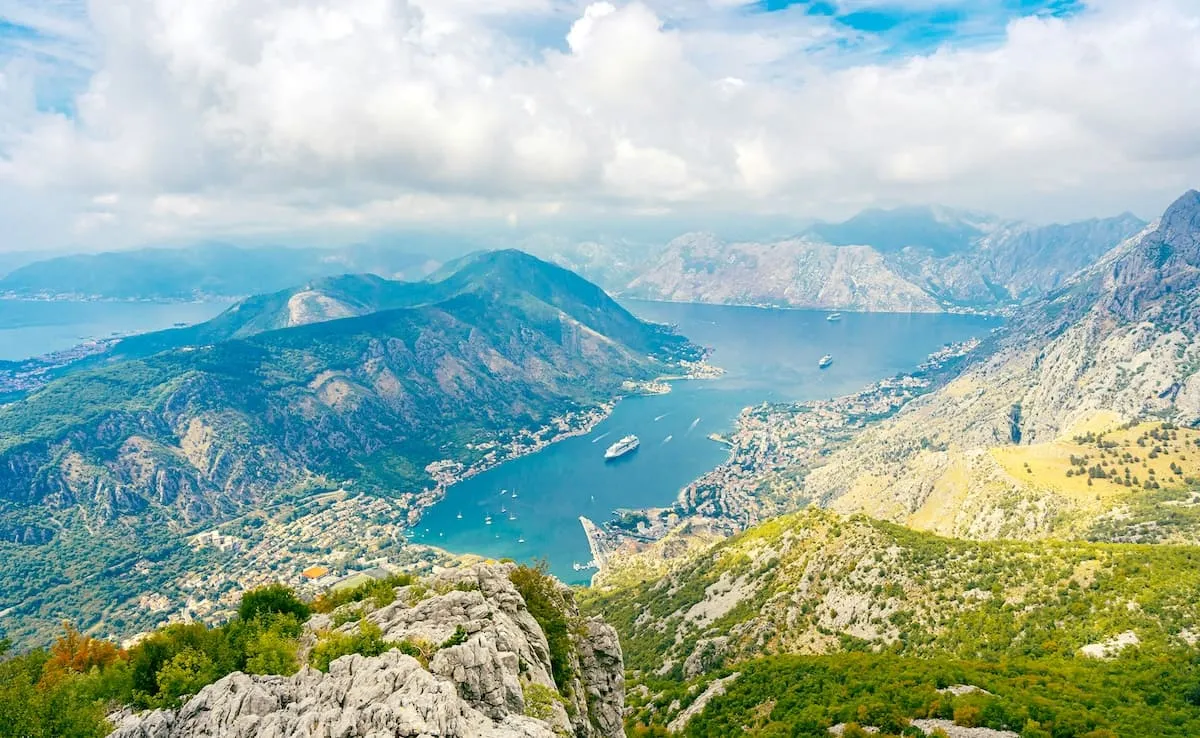
In reality, it is an ancient river canyon, submerged by the rising waters of the Adriatic and shaped by tectonic movements. The distinction is a geological one, but the visual result remains one of the most spectacular in Europe, regularly cited as one of the ten most beautiful bays in the world.
A bay in four parts
Boka Kotorska is not a single body of water, but a series of four interconnected gulfs: the Gulf of Herceg Novi, the Gulf of Tivat, the Gulf of Risan and the Gulf of Kotor. The Kumbor Strait links the first two, whilst the Verige Strait then connects Tivat to Risan and Kotor, further inland.
In total, the bay covers approximately 87 km², with a coastline stretching over 105 km. The maximum depth reaches 68 metres, in an area known as Draža’s Garden. Mountains over 1,200 metres high frame the whole scene, creating a sense of being enclosed within an almost surreal landscape.
Three municipalities, one shared identity
Kotor, the walled city
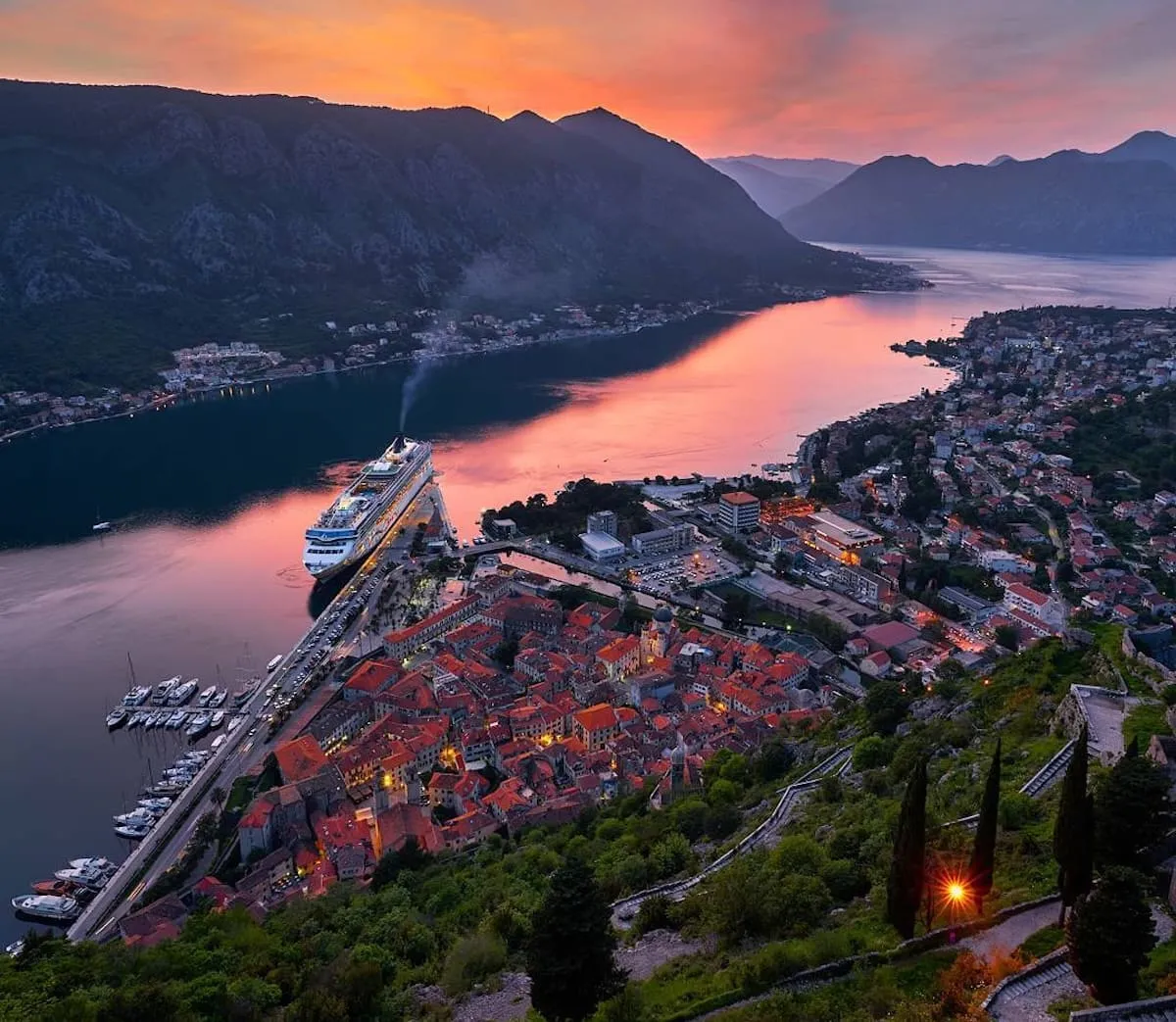
Nestled deep within the bay, Kotor is the region’s best-known town. Its old town has a population of around 3,000, compared with 22,000 for the municipality as a whole. The walls surrounding it wind their way up the mountain in a zigzag pattern, a testament to the natural and military defences that have enabled the town to withstand centuries of invasions.
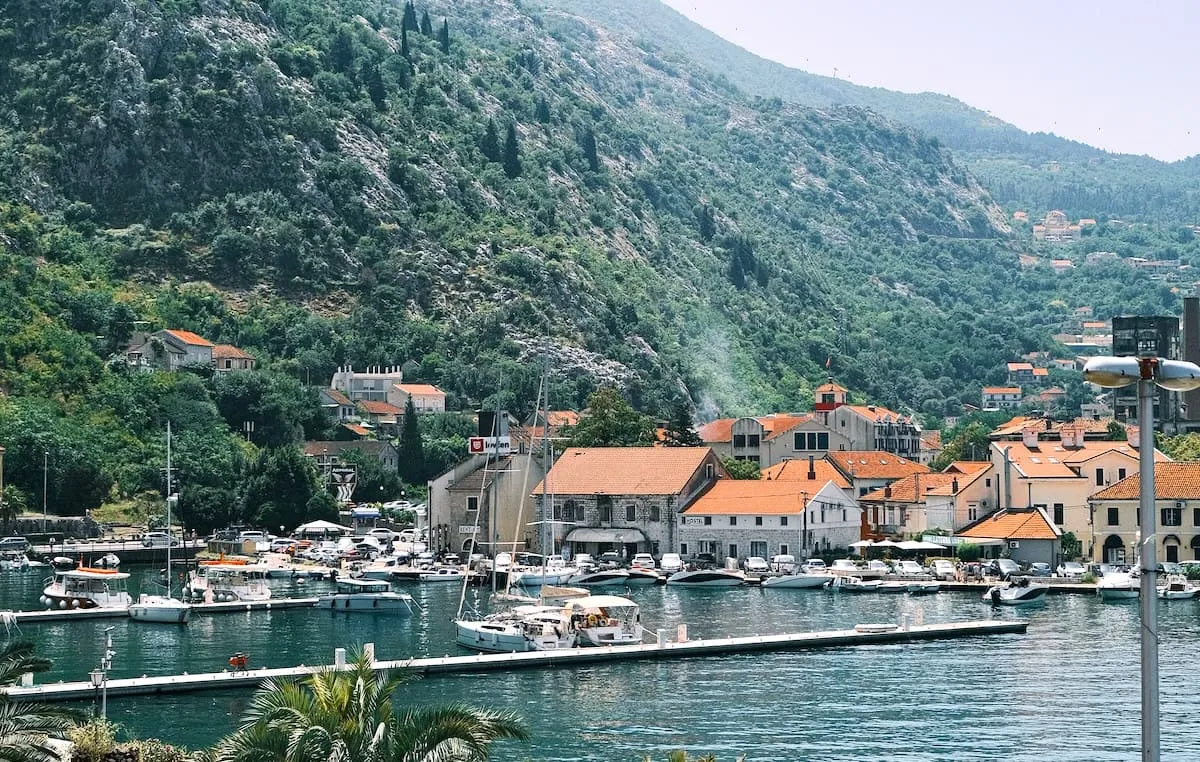
The atmosphere here is more low-key than that of Dubrovnik, its better-known Croatian counterpart, making it a place where aimless wandering still has its charm. The town and the surrounding bay have been listed as a UNESCO World Heritage Site since the period following the 1979 earthquake.
Herceg Novi, at the entrance to the bay
Situated at the western end of the Boka, where the bay opens out onto the Adriatic, Herceg Novi has a very different character to Kotor. The town stretches out more lengthwise along the coast, with a more relaxed atmosphere and less of a sense of confinement than the fortified alleyways of the neighbouring old town.
It is also renowned for its Mediterranean vegetation, particularly citrus trees and palm trees, and enjoys a particularly mild microclimate thanks to its sheltered position. For those arriving by road from Croatia, it is often their first glimpse of the bay.
Tivat, between the airport and the marina
Tivat occupies a more low-key position on the tourist map, but plays a key role: it is home to the international airport serving the entire coast, as well as Porto Montenegro, a modern marina that has transformed part of the seafront into a contemporary district, quite different from the historic architecture of the rest of the bay.
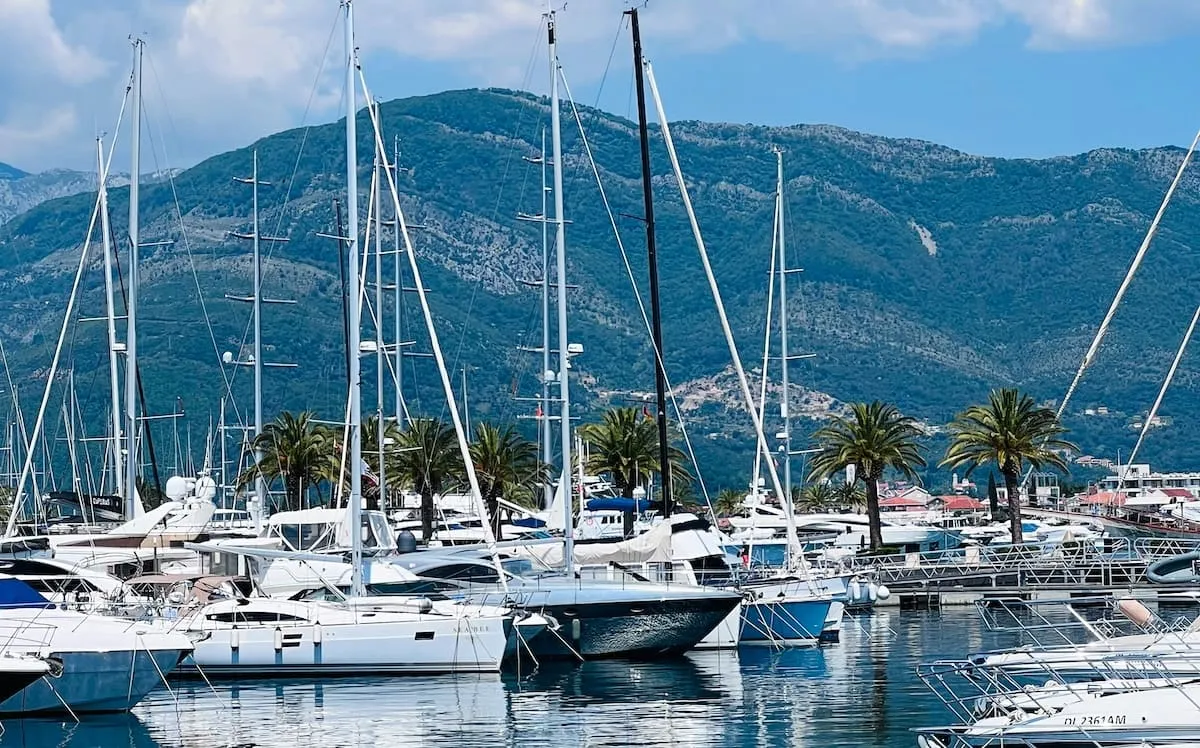
The town is often used as a stopover rather than a final destination, but it is well worth a visit, particularly for the contrast it offers with the older character of Kotor and Perast.
Perast, the oldest village: Directly opposite Kotor, Perast is considered the oldest village in the bay, with remarkably well-preserved Baroque architecture. It is from here that the view of the island of Our Lady of the Rocks opens up.
Legend has it that fishermen once saw a vision of the Virgin Mary on a reef, and that they have since made a habit of placing a stone there each time they pass by. Over the centuries, these stones have formed an artificial island, on which stands a church accompanied by a small museum.
How can you explore the bay?
Hiring a boat remains the best way to get to grips with the geography of the Boka: sailing from one gulf to another allows you to appreciate the true scale of this bay, which is much larger than it appears from the coast. Organised excursions usually cover the main sites in half a day.
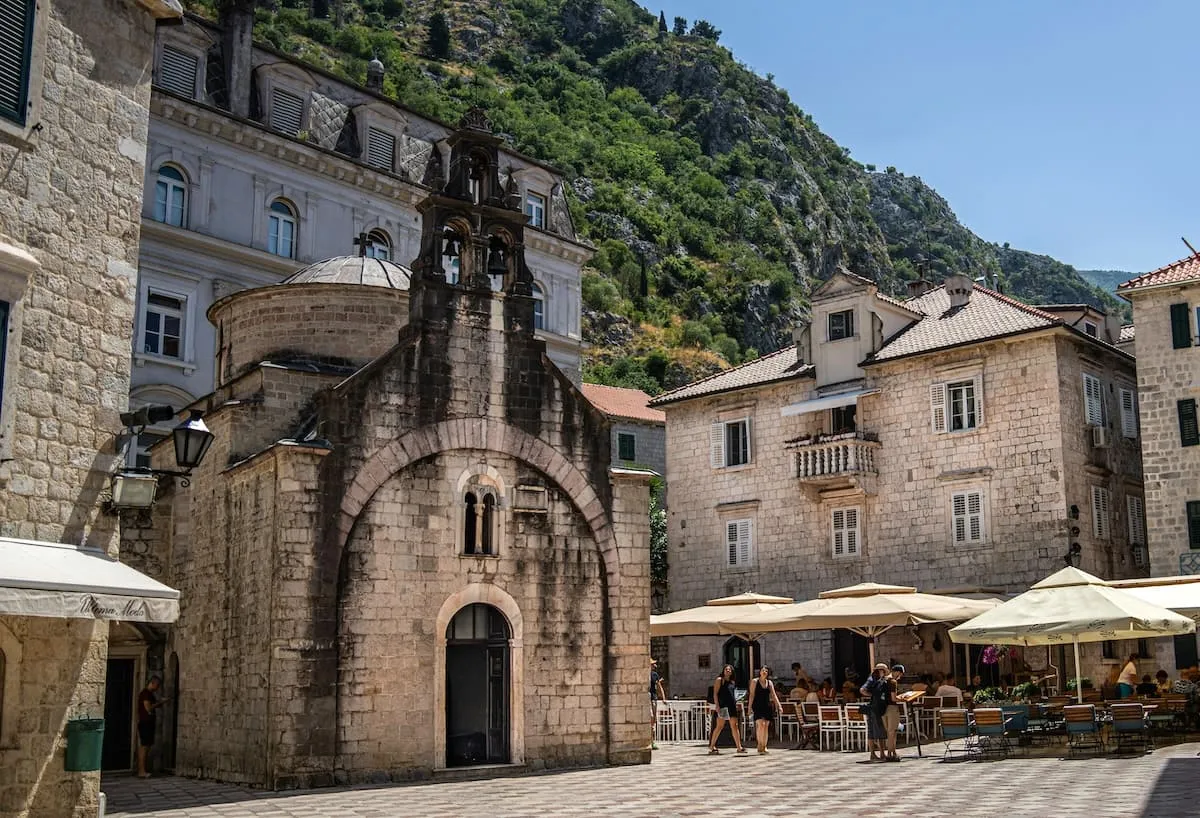
On land, the fortifications surrounding Kotor form an impressive network to explore on foot, complemented by numerous small churches and a few historic palaces scattered throughout the old town. The most interesting beaches are often hidden away, accessible only on foot or by boat, far from the most popular spots.
For those with time to spare, the mountains above the bay offer hiking trails with views that completely change one’s perspective on the whole area.
A very popular bay
Boka Kotorska is also the third busiest cruise port in the Adriatic, behind Venice and Dubrovnik. Around 500 ships have called at this port, bringing more than 530,000 tourists throughout the year.
This influx is mainly concentrated in the summer and around midday, when the ships disembark their passengers in Kotor’s old town. To avoid the crowds, arriving before 10 am remains the simplest and most effective tip.
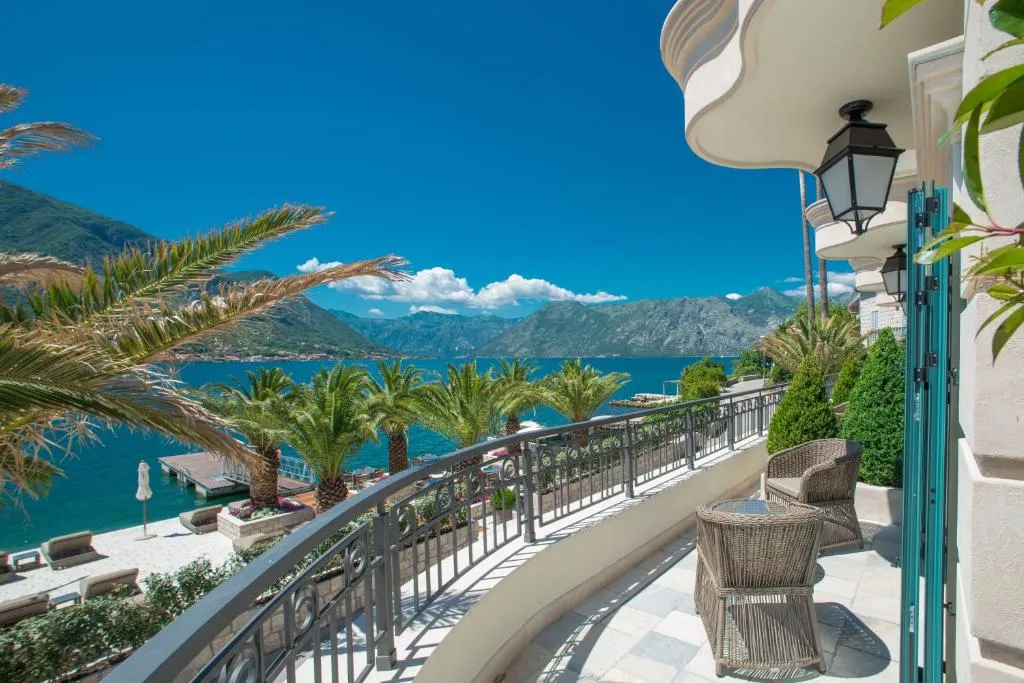
The bay also attracts a more low-key kind of tourism, away from the cruise ships. Several hotels have opened in recent years overlooking the sea, at the entrance to the Boka or near Tivat, with private beaches, marinas and spas facing the water. Deliberately built some distance from the old town, they offer a different way to experience the bay: a peaceful morning by the pool or on a jetty, before heading into Kotor at the end of the day, once the cruise ships have departed.